




The Antichrist
Résumé
Discover the provocative critique of religion and morality in Friedrich Nietzsche's "The Antichrist."Friedrich Wilhelm Nietzsche, a towering figure in philosophy and literary criticism, was born in 1844 in Röcken, Germany. Renowned for his profound and often controversial ideas, Nietzsche challenged traditional values and questioned the foundations of Western thought. His works explore themes of morality, religion, culture, and the nature of existence, making him one of the most influential thinkers of the 19th century. Throughout his life, Nietzsche sought to inspire a reevaluation of values, advocating for individual strength, creativity, and the pursuit of truth beyond societal conventions."The Antichrist" is a fierce and uncompromising critique of Christianity and organized religion. In this work, Nietzsche examines the moral and spiritual underpinnings of Christian doctrine, exposing what he perceives as its detrimental effects on human vitality and cultural development. He argues that Christianity promotes weakness, guilt, and resentment, undermining the natural instincts and strength of humanity. Nietzsche advocates for a reevaluation of values, urging individuals to embrace life-affirming principles rooted in strength, vitality, and authenticity. The book challenges readers to confront uncomfortable truths about religion's role in shaping morality and societal norms, making it a vital read for those interested in philosophy, theology, and cultural critique. "The Antichrist" remains a powerful and provocative work that continues to inspire debate and reflection on the nature of faith, morality, and human potential.
Caractéristiques
Publication : 1 janvier 2026
Intérieur : Noir & blanc
Support(s) : eBook [ePub]
Contenu(s) : ePub
Protection(s) : Marquage social (ePub)
Taille(s) : 1,6 Mo (ePub)
Langue(s) : Anglais
Code(s) CLIL : 3129, 3126, 3916
EAN13 eBook [ePub] : 9782496772265
Avis
Ouvrages du même auteur

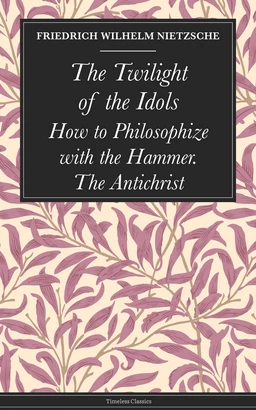
The Twilight of the Idols
How to Philosophize with the Hammer. The Antichrist
9,99 €
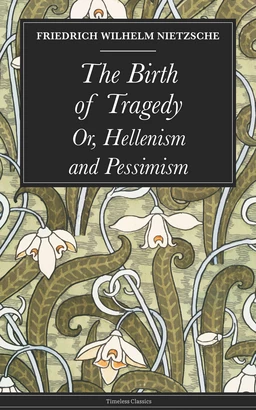
The Birth of Tragedy
or, Hellenism and Pessimism
9,99 €
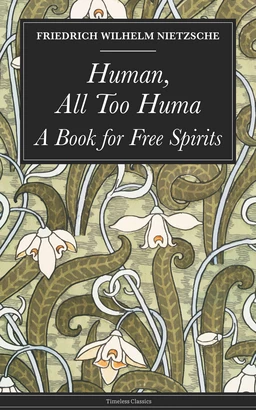
Human, All Too Human
A Book for Free Spirits
9,99 €

Thus Spake Zarathustra
A Book for All and None

9,99 €