



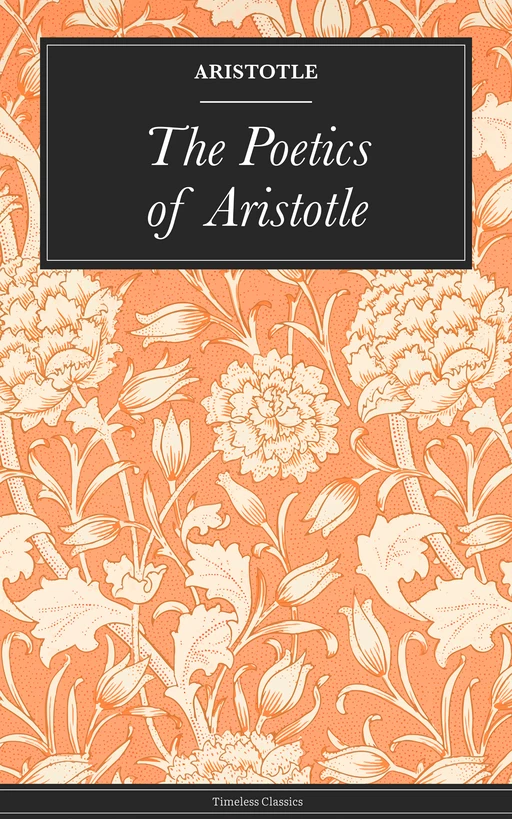
The Poetics of Aristotle
Résumé
Discover the Foundations of Dramatic Art with Aristotle's "The Poetics" — a timeless guide to understanding the essence of tragedy and storytelling.Aristotle, born in 385 BCE in Stagira, Greece, was a towering figure in philosophy, science, and literary theory. As a student of Plato and the tutor of Alexander the Great, his contributions have profoundly shaped Western thought. "The Poetics," written around 335 BCE, is one of his most influential works, offering a systematic analysis of dramatic composition and literary theory. In this seminal text, Aristotle explores the elements that make tragedy effective, such as plot, character, diction, thought, spectacle, and song. He introduces key concepts like catharsis, hamartia, and the unity of action, which continue to underpin dramatic theory today. Aristotle's approach emphasizes the importance of structure and emotional impact, providing writers and playwrights with a blueprint for crafting compelling stories. His insights extend beyond theater, influencing literature, film, and storytelling across centuries. "The Poetics" remains a foundational text for anyone interested in the art of storytelling, offering practical guidance rooted in keen observation and philosophical rigor. Whether you're a student, scholar, or aspiring playwright, this work provides invaluable wisdom on creating meaningful and impactful narratives. Dive into Aristotle's exploration of tragedy and discover the enduring principles that define great storytelling.
Caractéristiques
Publication : 1 janvier 2026
Intérieur : Noir & blanc
Support(s) : eBook [ePub]
Contenu(s) : ePub
Protection(s) : Marquage social (ePub)
Taille(s) : 2,84 Mo (ePub)
Langue(s) : Anglais
Code(s) CLIL : 3127, 3126, 3916
EAN13 eBook [ePub] : 9782496772326