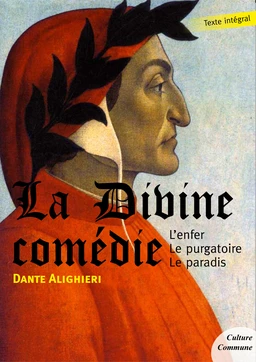



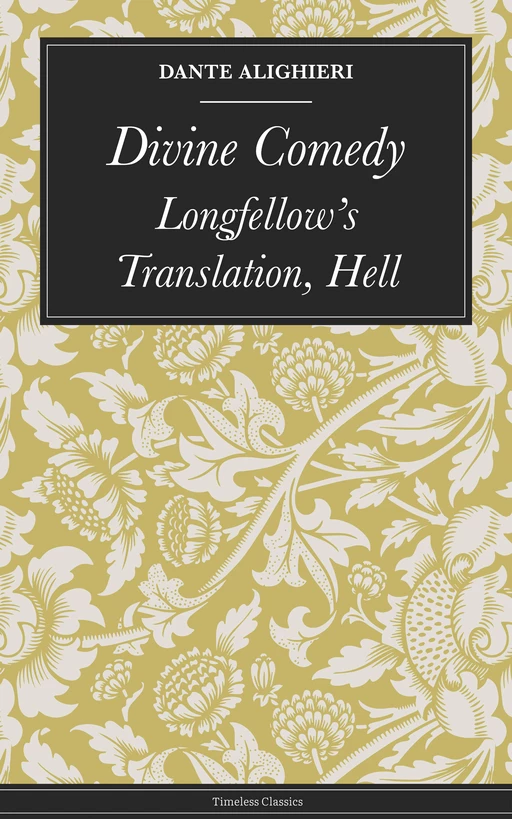
Divine Comedy
Résumé
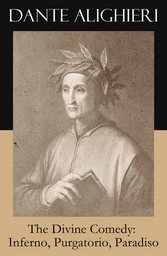
Discover the Journey Through the Afterlife with Dante Alighieri's Divine ComedyThe Divine Comedy is a timeless masterpiece that takes readers on an epic voyage through the realms of the afterlife, exploring themes of morality, redemption, and human destiny. Composed between 1308 and 1320, this poetic trilogy—comprising Inferno, Purgatorio, and Paradiso—depicts Dante's allegorical journey from the depths of Hell to the heights of Heaven, guided by the Roman poet Virgil and later by Beatrice. Rich in vivid imagery and profound symbolism, the work offers a compelling reflection on the nature of sin, justice, and divine grace. Its intricate structure and poetic brilliance have cemented its status as a cornerstone of world literature, influencing countless writers and thinkers over centuries. The Divine Comedy not only provides a vivid portrayal of medieval cosmology but also serves as a moral compass, urging readers to seek virtue and spiritual enlightenment. Its enduring relevance lies in its universal exploration of human struggles and aspirations, making it a must-read for those interested in literature, philosophy, and theology.Dante Alighieri, born in Florence in 1265, was a renowned Italian poet, philosopher, and political figure. Often called the "Father of the Italian language," Dante's work bridged the gap between classical Latin literature and the vernacular, shaping the future of Italian literature. His life was marked by political upheaval, exile, and personal tragedy, experiences that deeply influenced his writings. Dante's poetic genius and profound insight into human nature have made him one of the most celebrated figures in literary history. The Divine Comedy remains his magnum opus, reflecting his intellectual depth, spiritual quest, and commitment to moral and philosophical inquiry.
Caractéristiques
Publication : 1 janvier 2026
Intérieur : Noir & blanc
Support(s) : eBook [ePub]
Contenu(s) : ePub
Protection(s) : Marquage social (ePub)
Taille(s) : 1,6 Mo (ePub)
Langue(s) : Anglais
Code(s) CLIL : 3633, 3436, 3635
EAN13 eBook [ePub] : 9782496771794

![La divine comédie. L'enfer, Le purgatoire, Le paradis [édition intégrale revue et mise à jour]](https://e.lavoisier.fr/system/product_pictures/data/009/627/015/medium/300894.20130122183831.webp?1792796734)