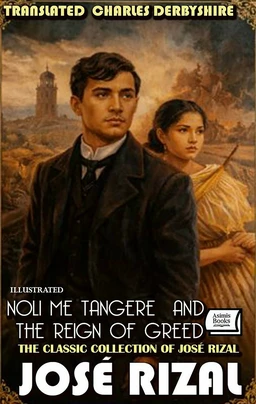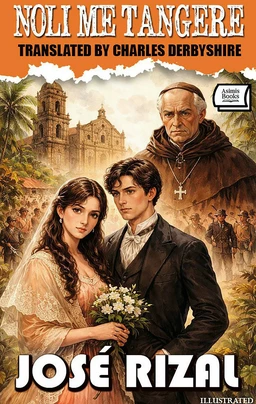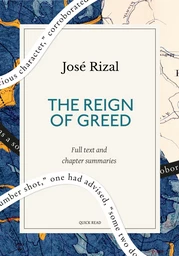



The Reign of Greed. Illustrated
Résumé
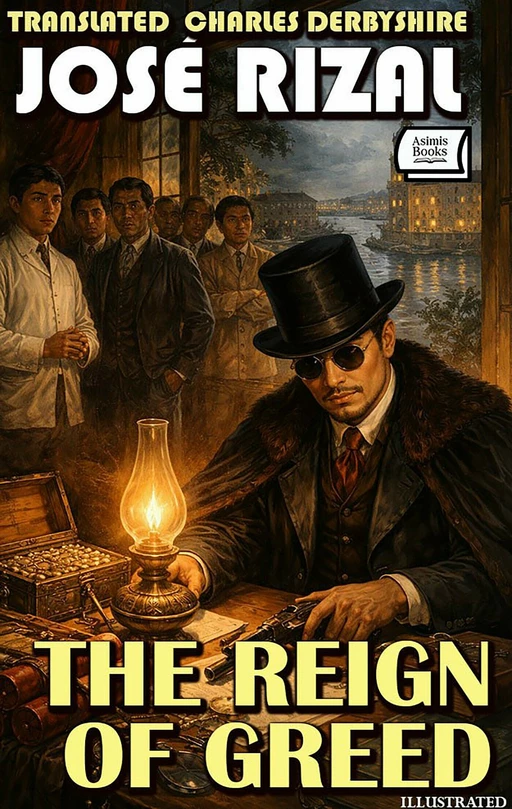
The Reign of Greed is Charles Derbyshire’s English translation of José Rizal’s novel El filibusterismo (1891), the powerful sequel to Noli Me Tangere. Darker in tone and more radical in vision, this novel represents Rizal’s most uncompromising critique of colonial oppression in the Philippines under Spanish rule. Through Derbyshire’s influential translation, the work reached an international audience and secured its place in world literature.The novel follows the return of Crisóstomo Ibarra, now disguised as Simoun, a wealthy and mysterious jeweler. Transformed by betrayal and loss, Simoun abandons hopes of peaceful reform and instead seeks to destroy the corrupt system through manipulation, conspiracy, and revolutionary violence. His journey reflects the moral and psychological cost of prolonged injustice.Rizal expands his social panorama to include students, intellectuals, government officials, clergy, and the poor, exposing the pervasive greed, hypocrisy, and cruelty embedded in colonial institutions. The narrative portrays a society suffocating under abuse of power, where idealism gives way to despair and rebellion becomes both tempting and tragic.Unlike its predecessor, The Reign of Greed confronts readers with difficult ethical questions: Is violence ever justified in the pursuit of freedom? Can a corrupt system be reformed, or must it be destroyed? Rizal offers no easy answers, instead presenting a profound moral tragedy shaped by historical reality.In Derbyshire’s translation, The Reign of Greed stands as a somber, compelling novel of political awakening and moral reckoning—an essential companion to Noli Me Tangere and a timeless meditation on power, resistance, and the human cost of tyranny.
Caractéristiques
Publication : 26 décembre 2025
Intérieur : Noir & blanc
Support(s) : eBook [ePub]
Contenu(s) : ePub
Protection(s) : Aucune (ePub)
Taille(s) : 1,26 Mo (ePub)
Langue(s) : Anglais
EAN13 eBook [ePub] : 9786178787950